202 Tribble Gap Road, Suite 101, Cumming, GA 30040
We speak English, Spanish and Portuguese
We speak English, Spanish and Portuguese


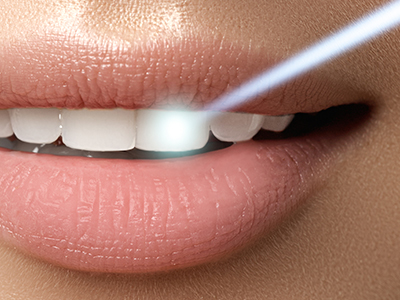
Laser dentistry uses concentrated light energy to interact with oral tissues in precise, controlled ways. Modern dental lasers are designed for either soft tissues (gums, lining of the mouth) or hard tissues (enamel and dentin). By selecting the appropriate wavelength and power settings, clinicians can target specific structures while minimizing impact on surrounding areas. The result is a tool that complements traditional instruments rather than replaces them.
At the physical level, many dental lasers work by exciting water molecules in tissue or by interacting directly with mineral components of the tooth. For soft-tissue applications the laser vaporizes or coagulates tissue with minimal mechanical force; for hard-tissue uses it ablates mineralized tissue in a highly focused area. This targeted action allows clinicians to perform delicate procedures with more control and less collateral damage than some conventional methods.
Because lasers deliver energy without direct mechanical contact, patients frequently experience less vibration and pressure during treatment. In many cases this reduced sensation can lessen anxiety and the perceived intensity of the procedure. That said, lasers are one of several tools a dentist may use; the appropriate approach depends on the clinical situation and the patient’s overall oral health.
One of the most noticeable benefits of laser dentistry is the potential for improved comfort during and after treatment. Lasers can often reduce the need for local anesthesia in certain soft-tissue procedures because they seal nerve endings as they work. When anesthesia is still required, treatment can feel less invasive due to the lack of drilling noise and vibration associated with rotary instruments.
Lasers also promote hemostasis by coagulating small blood vessels as they cut, which tends to decrease bleeding during soft-tissue procedures. This can simplify surgery and make postoperative care more straightforward. Reduced bleeding and a more precise incision usually translate into less swelling and a quicker initial recovery for many patients.
Wound healing after laser procedures may proceed differently than after conventional techniques. The laser’s ability to sterilize the wound surface and to produce a clean incision can reduce the bacterial load right away, and tissue response often favors a smooth healing process. That said, healing is influenced by individual factors such as overall health, oral hygiene, and the complexity of the procedure.
Laser technology has a broad range of applications across general, periodontal, and cosmetic dentistry. In soft-tissue dentistry, lasers are frequently used for gum contouring, frenectomies (reducing restrictive tissue under the tongue or lip), and removal of benign oral lesions. The level of precision makes lasers especially valuable when cosmetic outcomes and tissue preservation are important.
Periodontal treatment can also benefit from laser-assisted approaches. In targeted gum therapy, lasers are used to remove diseased tissue and reduce bacterial populations in periodontal pockets, often as part of a comprehensive care plan that includes scaling and root planing. For some patients, lasers can reduce the invasiveness of traditional gum surgeries while supporting periodontal health objectives.
In restorative and cosmetic workflows, certain lasers are employed to prepare small cavities, to activate in-office whitening agents, and to cure or set some resin-based materials. However, their suitability varies by material type, lesion size, and location. Dentists evaluate each case individually to determine whether a laser is the most effective tool for a given task.
It’s important to note that while lasers expand clinical options, they are not universally applicable. Large restorations, deeply seated decay near the nerve, or complex prosthetic work may still require conventional rotary instruments and techniques for optimal results.
Like any advanced dental technology, lasers require specific training and clinical experience to be used safely and effectively. Dental professionals undergo coursework and hands-on instruction to understand wavelength selection, power modulation, and the biological effects on different tissues. Proper technique and familiarity with laser-tissue interactions are essential to avoid unintended outcomes.
Clinical safety protocols for lasers include the use of protective eyewear, proper maintenance of equipment, and strict adherence to recommended power and exposure times. The sterile design of laser tools and their ability to coagulate tissue can reduce certain risks, but safe operation still depends on staff training and established practice standards.
There are clinical limitations to laser use. Not all lasers can cut both hard and soft tissues, and some restorative materials do not respond well to laser preparation. Additionally, certain medical conditions or medications may influence candidacy for laser procedures, so a careful medical and dental history is part of the treatment planning process. When lasers are not the best choice, clinicians integrate alternative techniques to achieve the desired outcome safely.
Determining whether laser dentistry is appropriate begins with a comprehensive dental exam and a discussion of your goals. Your dentist will assess the area of concern, review radiographs if needed, and explain how a specific laser application would fit into your overall treatment plan. This conversation typically covers the intended benefits, potential limitations, and any preparatory or follow-up care required.
If a laser procedure is recommended, you can expect the appointment to include an orientation to the process and standard safety measures such as protective eyewear. For many soft-tissue treatments the procedure time can be short and recovery straightforward; for applications involving teeth or deeper tissues, additional steps may be part of the visit. The clinician will describe aftercare instructions, which often emphasize gentle oral hygiene and avoiding irritants while the site heals.
Choosing a practice with experience in laser procedures helps ensure that the technology is used judiciously as part of comprehensive dental care. Our goal is to combine advanced tools with sound clinical judgment so patients receive care that is efficient, predictable, and aligned with their oral health objectives. If you live in or near Cumming, GA and are curious about whether laser dentistry could be part of your care, we welcome the chance to discuss options with you.
In summary, laser dentistry is a versatile supplement to conventional dental techniques that can improve precision, comfort, and healing in many situations. It is not a universal solution, but when applied appropriately by trained clinicians it expands the ways we can preserve tissue and enhance outcomes. To learn more about whether laser dentistry is suitable for your needs, please contact us for additional information and to schedule an evaluation.


Laser dentistry uses focused light energy to treat soft and hard tissues in the mouth with precision. Depending on the procedure, lasers can reshape gums, remove bacteria, or prepare teeth, often with less vibration and discomfort compared to traditional tools.
Lasers are commonly used for gum contouring, frenectomies, treating periodontal pockets, removing benign oral lesions, preparing small cavities, activating whitening agents, and aiding in certain restorative procedures. Your dentist will determine if a laser is right for your specific needs.
In many cases, yes. Laser procedures can reduce the need for anesthesia, minimize bleeding, and speed up healing. Many patients report less pain, less swelling, and an overall more comfortable experience compared to conventional techniques.
Yes. Dental lasers are FDA-approved and considered safe when used by trained professionals. Protective eyewear is worn during treatment, and clinicians follow strict safety protocols to ensure precise and controlled use of the technology.
Your dentist will perform a full exam and discuss your goals to determine whether a laser procedure is appropriate. Factors such as tooth structure, location of the issue, and your medical history are considered before recommending this treatment option.
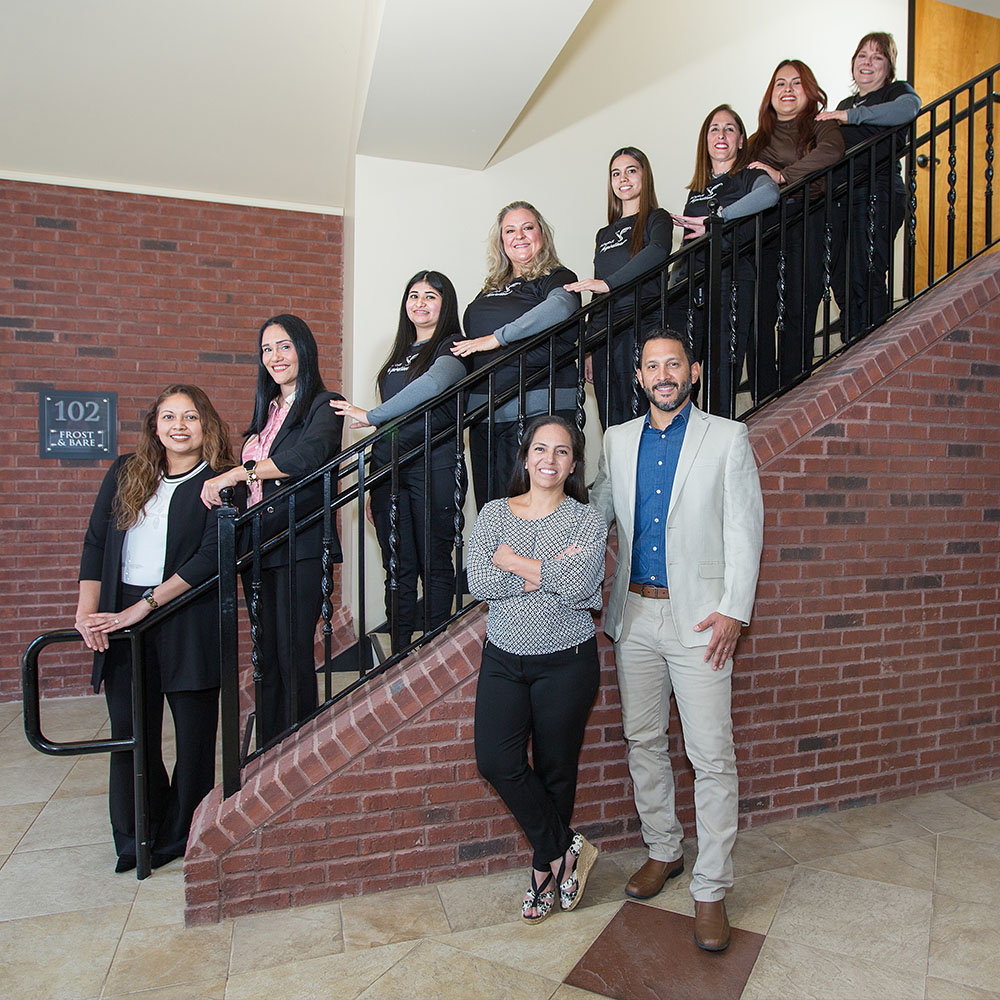
Looking to schedule your next dental visit or learn more about our services?
Getting in touch with Inspirational Smiles is simple! Our caring team is ready to help with appointment scheduling, questions about treatments, or any concerns you may have. You can call us or use our easy online contact form—whatever works best for you.
Take the first step toward a healthier, more confident smile today and experience the difference that personalized, compassionate dental care can make.